Aprender Design

Mar 30, 2026

What makes a visual identity course relevant in 2026?

Aprender Design

Aprender Design

School

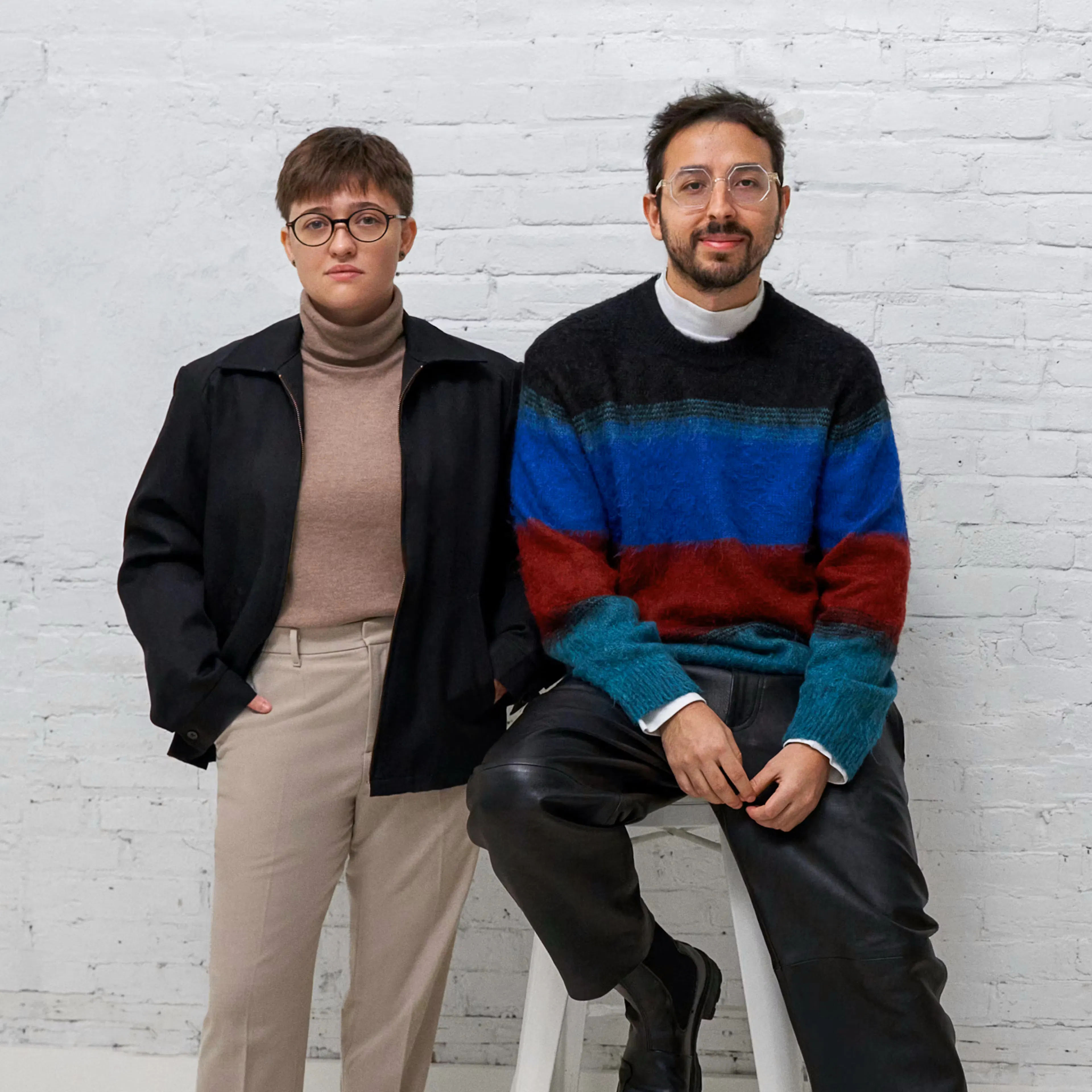
Carlos Bocai and Julia B. Aguiar, Design Directors at Base NY and Jones Knowles Ritchie, explore this in the new edition of their course Decoding Identities.

After a one-year hiatus, the course returns with an updated format reflecting current conversations in the design industry. Running for over six years, it has become a favorite among students here at Aprender Design.

In this conversation, they explain what has changed in this edition of the program and why those changes matter in today’s global design context.
What motivated the updates in this edition?

We took about a year off to rethink the content. Over the past six years, we’ve always updated Decoding Identities to keep it in dialogue with what’s happening in the industry. But this time, we felt it needed a deeper transformation.

In the design history section of the course, we talk about how visual languages emerge in response to the contexts in which they are created. We look at how the introduction of the personal computer transformed a highly manual, specialized process involving many people into something far more accessible. Still, even with that access, good results depended on knowing how to use it with intention, depth, and skill.

Now we’re living through another transformation with AI. People not only have access to more tools, but in many cases, more control over outcomes without necessarily knowing how to execute them in a traditional way. It’s a new moment of democratization.

Whether we like it or not, we see it as a new tool that has already impacted the way we work. The course has always been shaped by our own experiences and processes — not as universal truths, but as reflections of how we approach design. As our process evolves, the course naturally evolves with it.

This edition will address how these transformations are affecting our practices, both individually and within the agencies where we work. We’ll also bring in recent references and case studies, including projects we’ve launched very recently.

How do these changes reflect transformations in the market, as well as the transformations you and Julia have experienced as professionals?

We’re both now working as Design Directors, which means we’re more involved in how projects are structured and planned, with more visibility into what’s happening behind the scenes. Because we work at very different companies within the global design landscape, this creates an interesting combination of perspectives, one that can give students a broader and more layered experience.


Over the past year, our own process has changed, and the course reflects that. We’ve started incorporating new tools where they genuinely make sense for us, and we’ll talk about how we’re adapting to them. We’re not completely reinventing the way we work, but reshaping it in response to new possibilities and to what can contribute to the development of our projects.


In this edition, students will get something like a keyhole view into our day-to-day lives inside the studios we’re part of, as well as into our individual creative practices.

Beyond sparking new reflections and exploring new territories in the theoretical part of the course, will the updates also impact the hands-on component?

Yes, definitely. A central part of the course is the final project, in which students develop a visual identity for a music playlist. In this edition, we’re expanding that assignment and making it more open-ended.

In previous editions, we offered playlists with predefined names and themes for students to choose from. Now, students will create the project from scratch, defining the name, the musical direction, the audience, and the broader universe around it. Today, designers are expected not only to execute well but also to invent, so the ability to create unexpected connections and turn them into something compelling has become increasingly valuable.

That’s why we decided to open up the brief, so students can bring more of their own references, sensibilities, and perspectives into the work. With so many new tools and possibilities, “taste” becomes an even more important ingredient in the mix. These tools can expand the process, but they still depend on cultural repertoire, judgment, and the ability to make considered choices—and that’s what we see as “taste”.


With all these transformations happening, what can students expect from this cohort?

There’s no formula for success, and we definitely don’t have all the answers. The world is changing quickly, and we’re also trying to understand in real time where the market and the industry are heading. But students can expect a very honest and unfiltered exchange. 

Since the beginning, the course has been centered on understanding what makes visual identities successful. More than delivering definitive answers, it has always been a space for collective investigation, discussion, and experimentation. In this edition, that feels especially relevant, as we look at how visual identities operate today shaped by new tools, new expectations, and new ways of working. So in the current context, we’re asking: what makes a visual identity work in 2026?

Ultimately, the goal of the course is to help students feel more prepared for the realities of the design industry by developing their analytical skills, expanding their cultural repertoire, and understanding the value of collaboration and experimentation through a hands-on project that can become part of their portfolio. The course is less about providing a one-size-fit-all method and more about helping students build the perspective and confidence to navigate a changing field.


Learn more about the Decoding Identities course and about Carlos and Julia here.