Aprender Design

May 8, 2026

A View on Design: with Marcos Rodrigues and Rafael Bessa

Aprender Design

Aprender Design

School

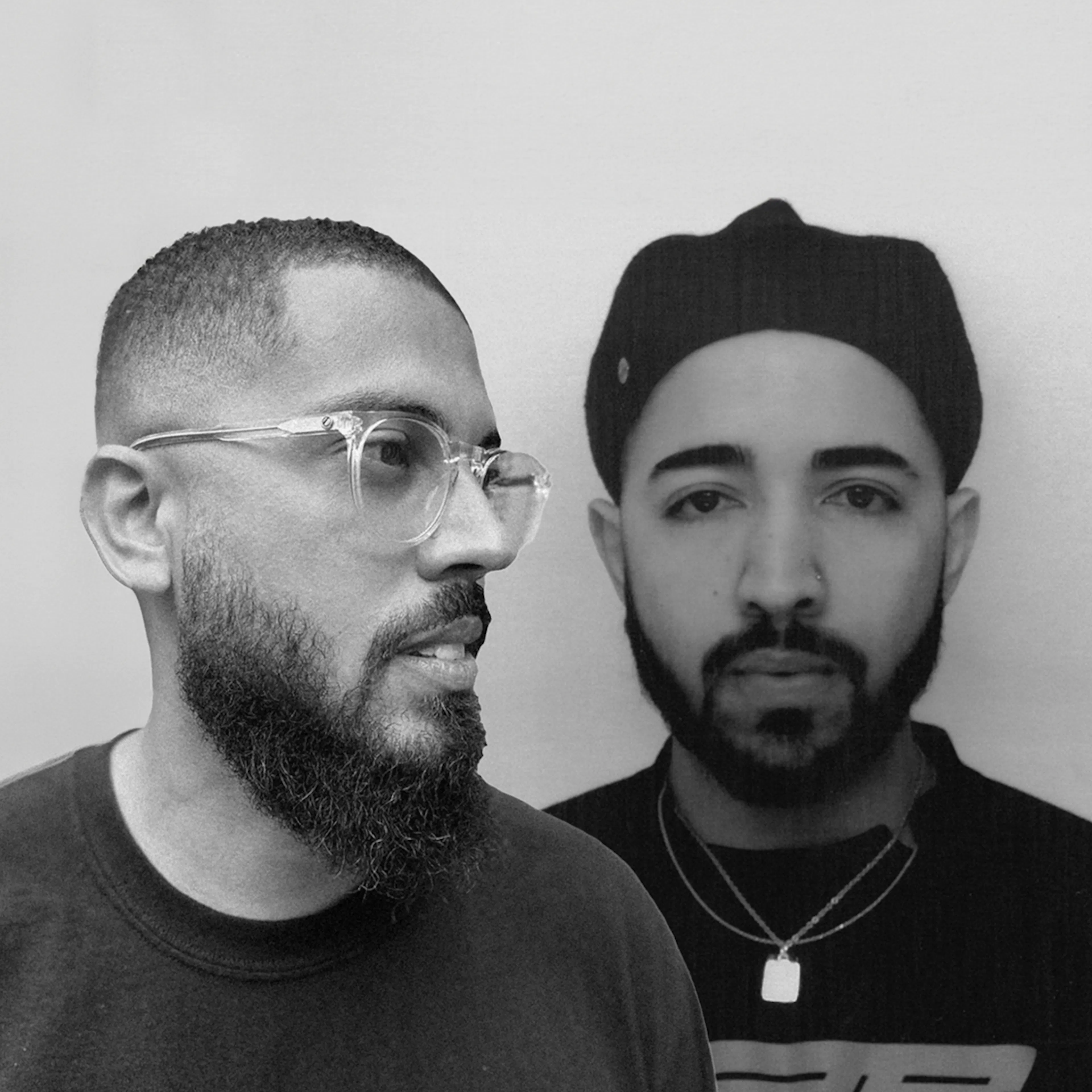
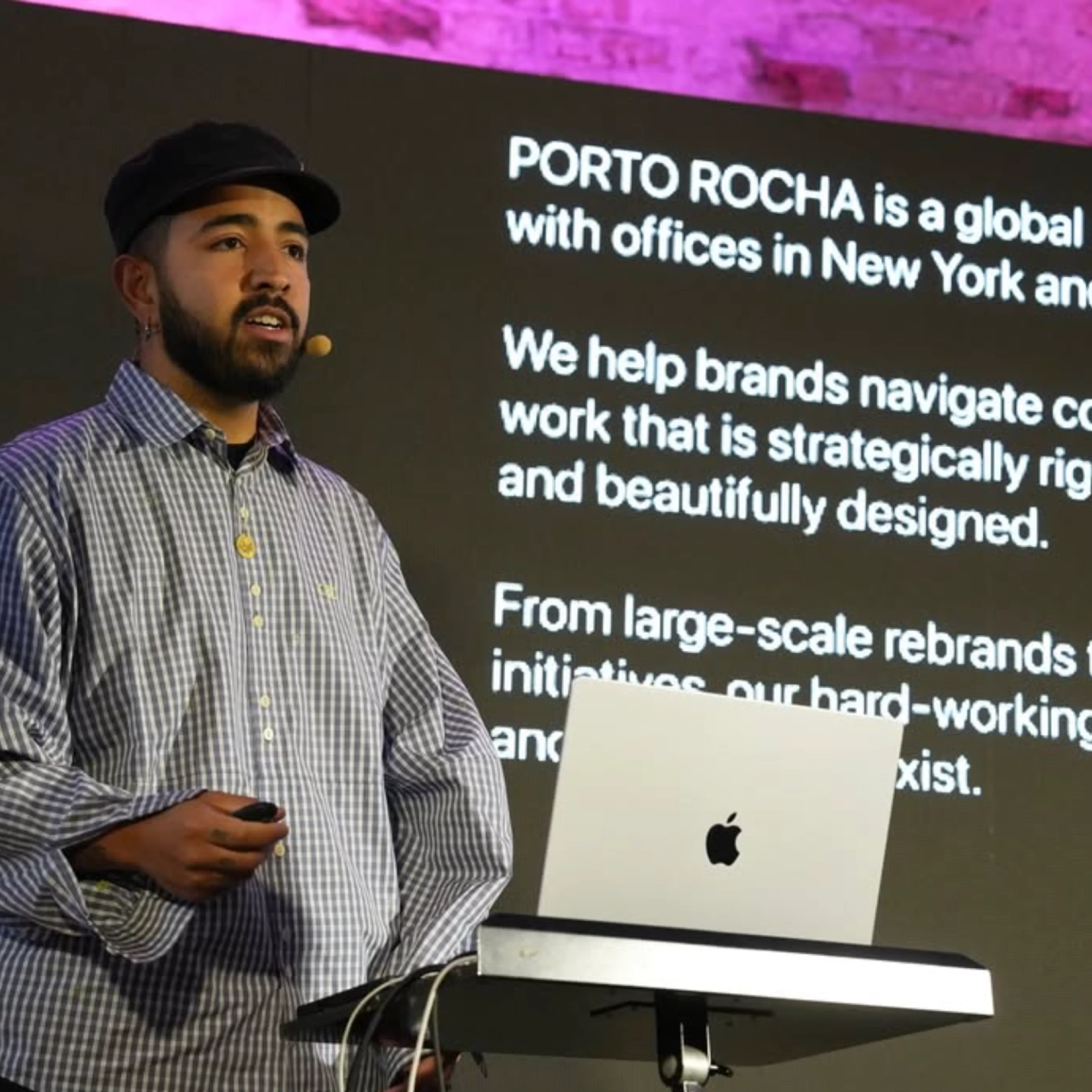
Rafael Bessa is Principal Designer at PayPal, with a career spanning visual identity and digital design, having worked with global brands like Apple, Google, and Nike. Marcos Rodrigues is an Interactive Design Director at PORTO ROCHA, known for crafting thoughtful, user-centered digital experiences for clients such as Upwork, QuintoAndar, and Olympikus. Together, they are a powerful combination for visual design.

Check out a brief conversation we had with Rafael and Marcos, instructors at 
Visual Design for Interfaces course, and learn more about their journey and design thinking.
Hi Marcos and Rafael! For those who are just getting to know you through the school, could you introduce yourselves and share a bit about your journey in design?

Marcos Rodrigues: Hey everyone — I’m Marcos Rodrigues, Interactive Design Director at PORTO ROCHA. I was born in São Paulo, Brazil, and my journey into design started from a mix of curiosity, creativity, and the internet opening up new possibilities for me at a young age.

I began my career at Huge Inc., where I built a strong foundation in digital product design and learned how to think about systems, users, and functionality at scale. Over time, I realized I was especially interested in the emotional and expressive side of digital experiences — how branding, interaction, and storytelling could come together to create something memorable and meaningful.

That eventually led me to PORTO ROCHA, where I work today leading interactive and digital brand experiences for clients like Nike, Robinhood, Twitch, Google, and others. My work today sits somewhere between brand and product — translating identity systems into digital experiences that feel alive, human, and scalable.

At the same time, teaching became a very important part of my practice. Sharing knowledge and learning through exchange has honestly been one of the most rewarding parts of my career.

Rafael Bessa: I'm Rafael Bessa, a Brazilian designer and art director originally from Brasília, currently based in Brooklyn, NY. I work as Principal Designer on the Innovation Team at PayPal, and my career has honestly been a zig-zag between branding/art direction and digital design.

I started by co-founding a graphic design studio called CORA back in 2010. From there, I moved into digital at R/GA in São Paulo, then spent time in New York at Aruliden working across branding and digital for clients like Google and Hugo Boss, then back to Brazil at Work & Co on complex digital projects, and eventually to BUCK as Art Director, where I worked on design systems spanning motion, branding, and UI for clients like Apple, Meta, Nike, and Microsoft.

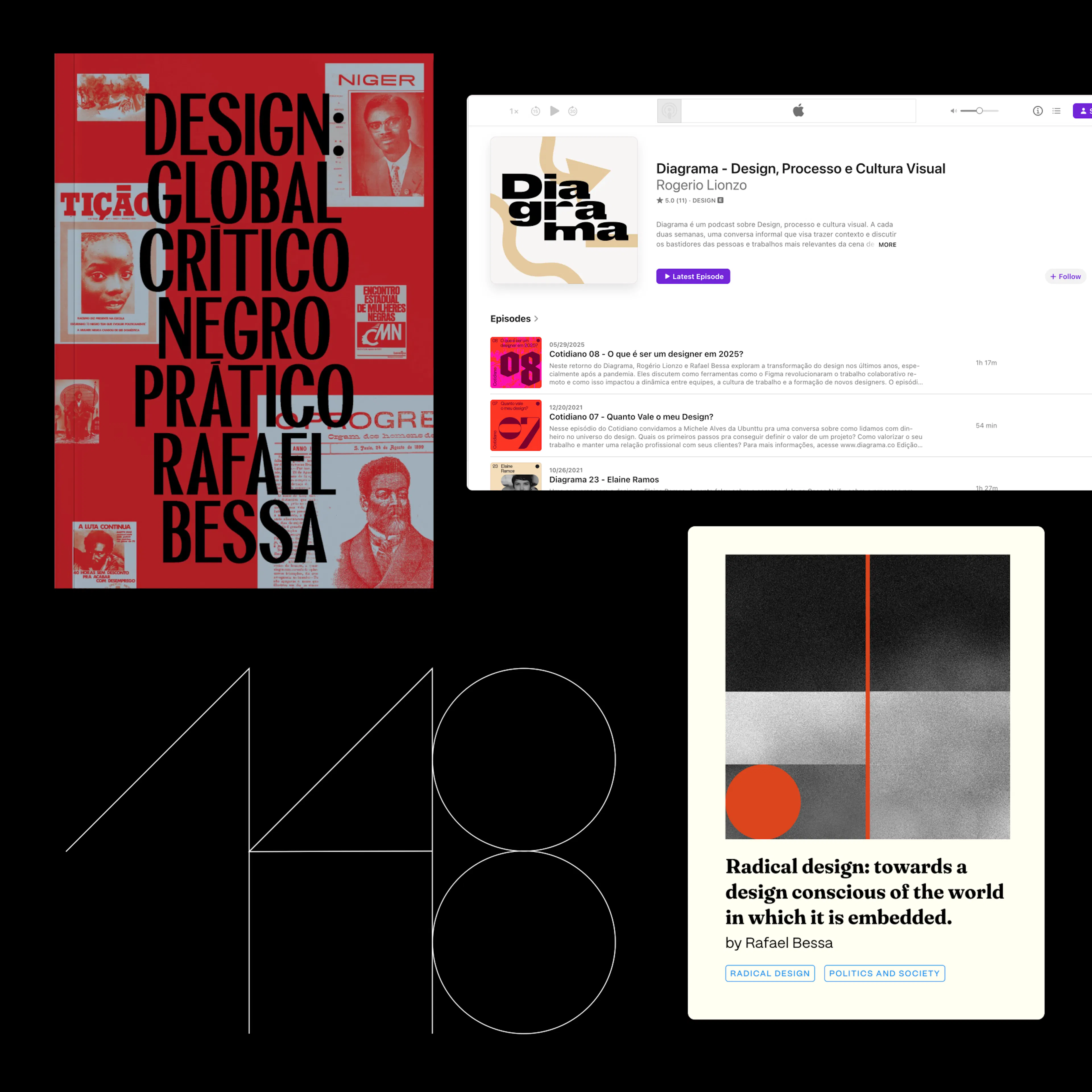
Beyond client work, I also care a lot about design as a critical and cultural practice. I created the research project 148 Designers, I co-host the design podcast Diagrama, I write and guest-edit for Revista Recorte, and I have a book coming out (Design: Global Crítico Negro Prático/ Global Critical Black and Practical Design) which is probably the project I'm most personally invested in right now.


How do you think the experience of teaching in English will compare to your trajectory at Aprender Design Brasil?

MR: I think the core of the experience stays the same — the intention behind the course hasn’t changed. What changes is the opportunity to expand the conversation and connect with people from different cultural backgrounds and design perspectives.

One thing I really value about design is that it’s shaped by context. The way someone approaches design in Brazil can be very different from someone in any other country. So teaching in English creates space for a broader exchange of experiences, which is incredibly enriching for everyone involved (Including us).

At the same time, I think our Brazilian perspective remains a very important part of the course. The way we approach creativity and collaboration comes directly from our own experiences and backgrounds.

RB: It's an exciting shift, honestly. Teaching in Brazil already felt like a very particular kind of conversation, rooted in a specific cultural and economic context that shapes how designers think and work. Teaching in English opens that conversation up. It also means we're bringing that Brazilian perspective into a global dialogue rather than keeping it local. I think that's valuable not just for students outside Brazil, but for us too.


Has the course changed in any way from the original version? Should students expect any differences in the content?

MR: Yep naturally, the course has evolved over time. Every class teaches us something new, and we’re constantly refining the content based on feedback, new tools, shifts in the industry, and our own professional experiences.

But the essence of the course remains the same. The goal has never been simply to teach software or trends. We’re much more interested in helping students build a strong design point of view — understanding everything that comes together to create meaningful digital experiences.

I’d say the course today feels more mature and more connected to the current reality of the industry, especially considering how quickly things are changing with AI, automation, and new workflows.

RB: What's stayed constant is the intent: we want students to understand visual design for digital products not as decoration, but as a system of decisions that communicates meaning. What's evolved is probably the new examples and the way we approach the content based on relevance and industry standards.

What skills do you believe are essential for a designer in 2026?

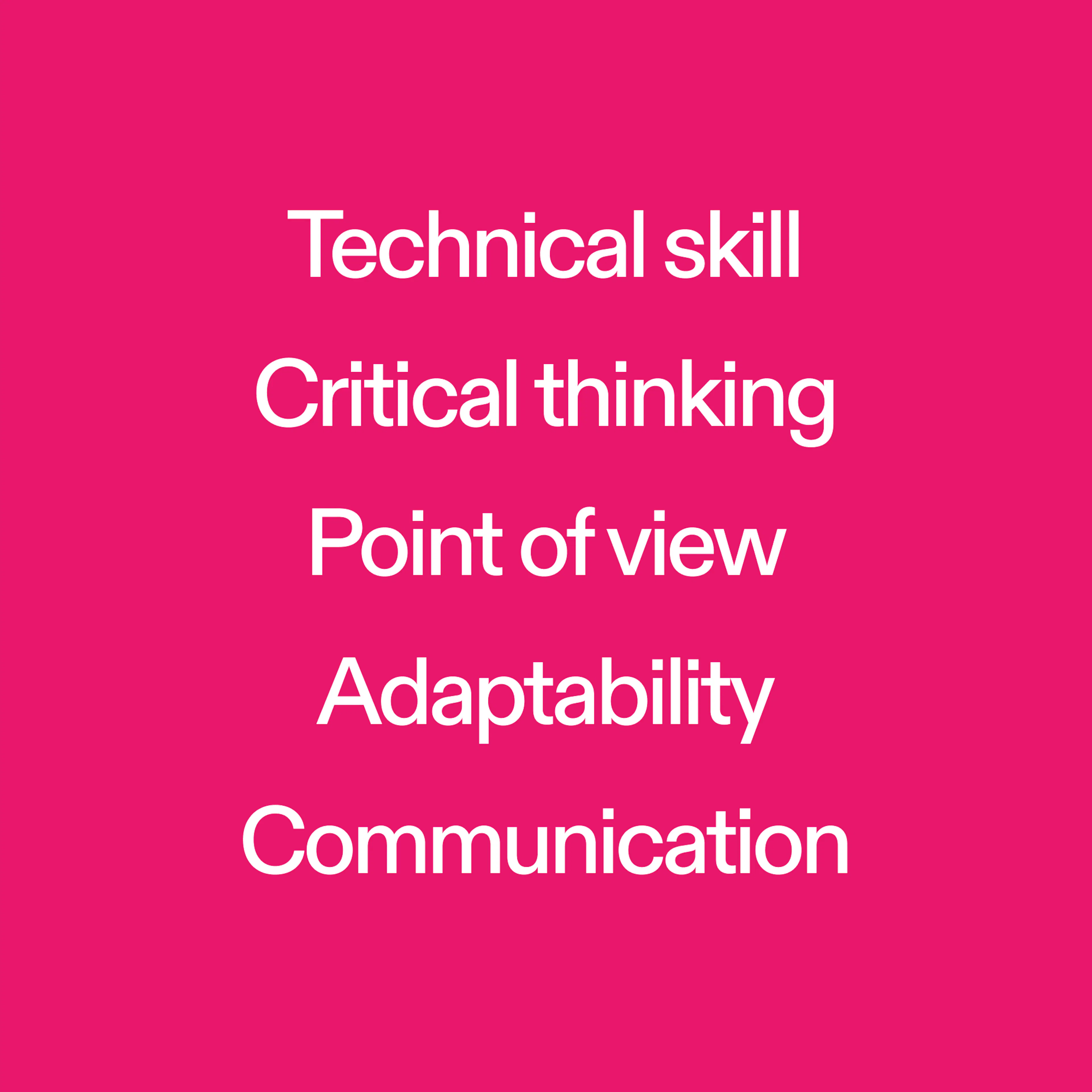
MR: I think technical skills will continue to matter, of course — understanding typography, composition, motion, interaction, systems, and digital craft will always be important.

But honestly, I think what will matter even more in 2026 is the ability to think critically and develop a strong point of view. Tools change constantly. The workflows we use today might be completely different in a few years. What remains valuable is your ability to make intentional decisions through understanding context and communicating ideas clearly to create work that resonates emotionally with people.

I also think adaptability will become essential. Designers today need to navigate multiple disciplines — branding, product, motion, strategy — while still maintaining a clear perspective and sense of craft.

RB: And honestly, communication. Being able to explain your decisions, to write and speak about design with precision and confidence. That has always mattered, but it matters even more when you're collaborating across disciplines or trying to advocate for a design direction in a room full of people who don't share your vocabulary.

What has teaching at Aprender Design taught you the most over the past few years?

MR: Teaching is also a process of learning. When you teach, you’re constantly forced to reflect on your own process — why you make certain decisions, what you believe in as a person/designer. That reflection has helped me grow a lot, both professionally and personally.

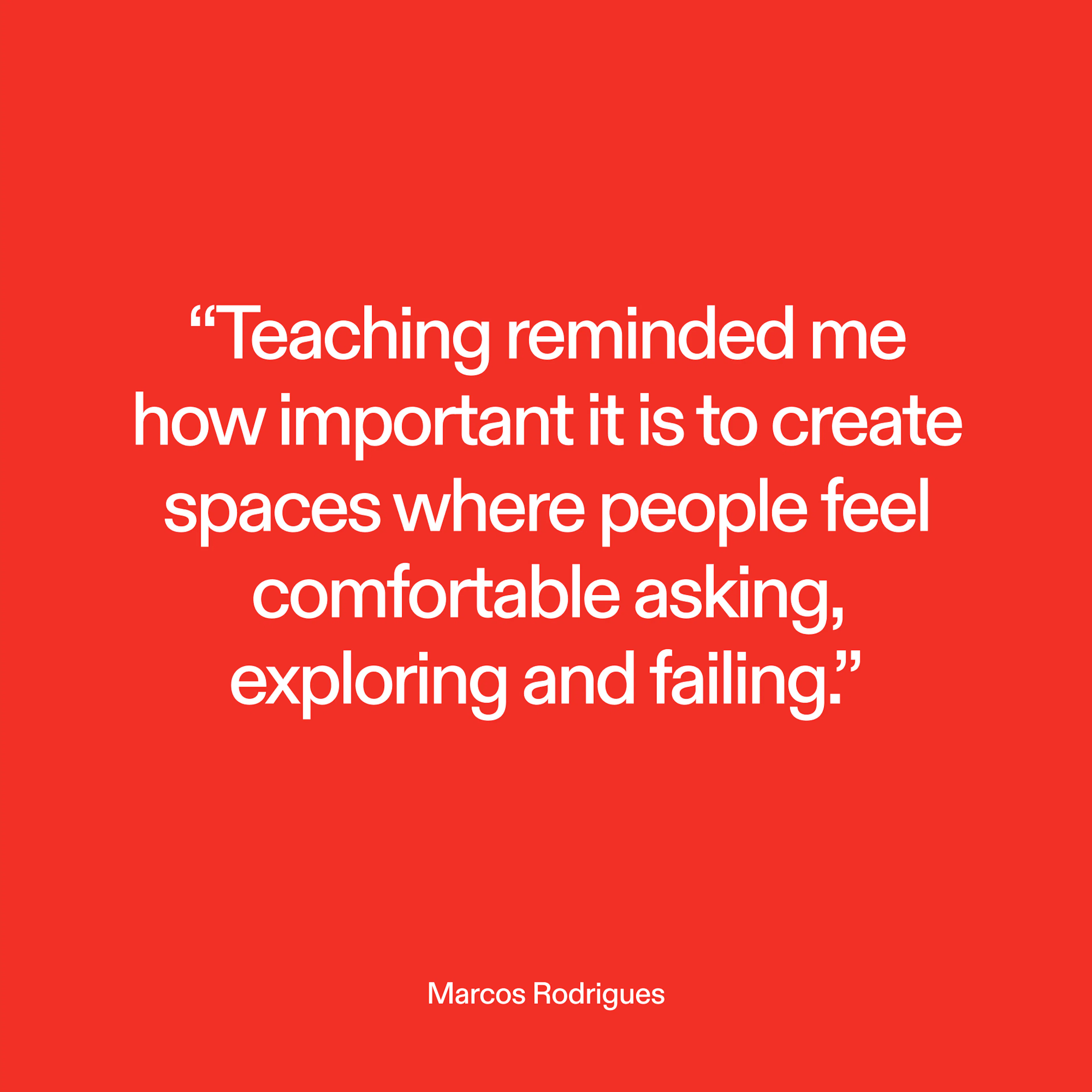
But beyond that, teaching reminded me how important it is to create spaces where people feel comfortable asking, exploring & failing, but also developing their own voice.

I think the industry today can sometimes create this pressure to be perfect immediately, and that can be really discouraging for people who are just starting. Seeing students evolve over time reinforces how important patience, experimentation, and community are in the creative process.

RB: It taught me how much context matters in design education. Students come from such different backgrounds, different access to references, different relationships to technology, different cultural frames. That diversity is actually the richest part of the classroom. The best classes I've taught felt more like collaborative research than instruction.

How does your process change when you're working on branding versus interface design?

MR: For me, the biggest difference is usually the starting point — but eventually both disciplines intersect in the middle.

Branding often starts with defining meaning & a positioning vision. You're thinking about how a brand should feel, what kind of relationship it wants to build with people, and how to create a flexible identity system that can scale across different touchpoints.

Interactive design, on the other hand, goes a bit more specific to the audience context — understanding their paint points & needs.

But today, those two worlds are becoming increasingly connected. The most interesting digital experiences happen when branding and product work together instead of separately.

That’s actually a big part of what we do at PORTO ROCHA: translating brand systems into novel digital experiences that feel expressive without compromising usability.

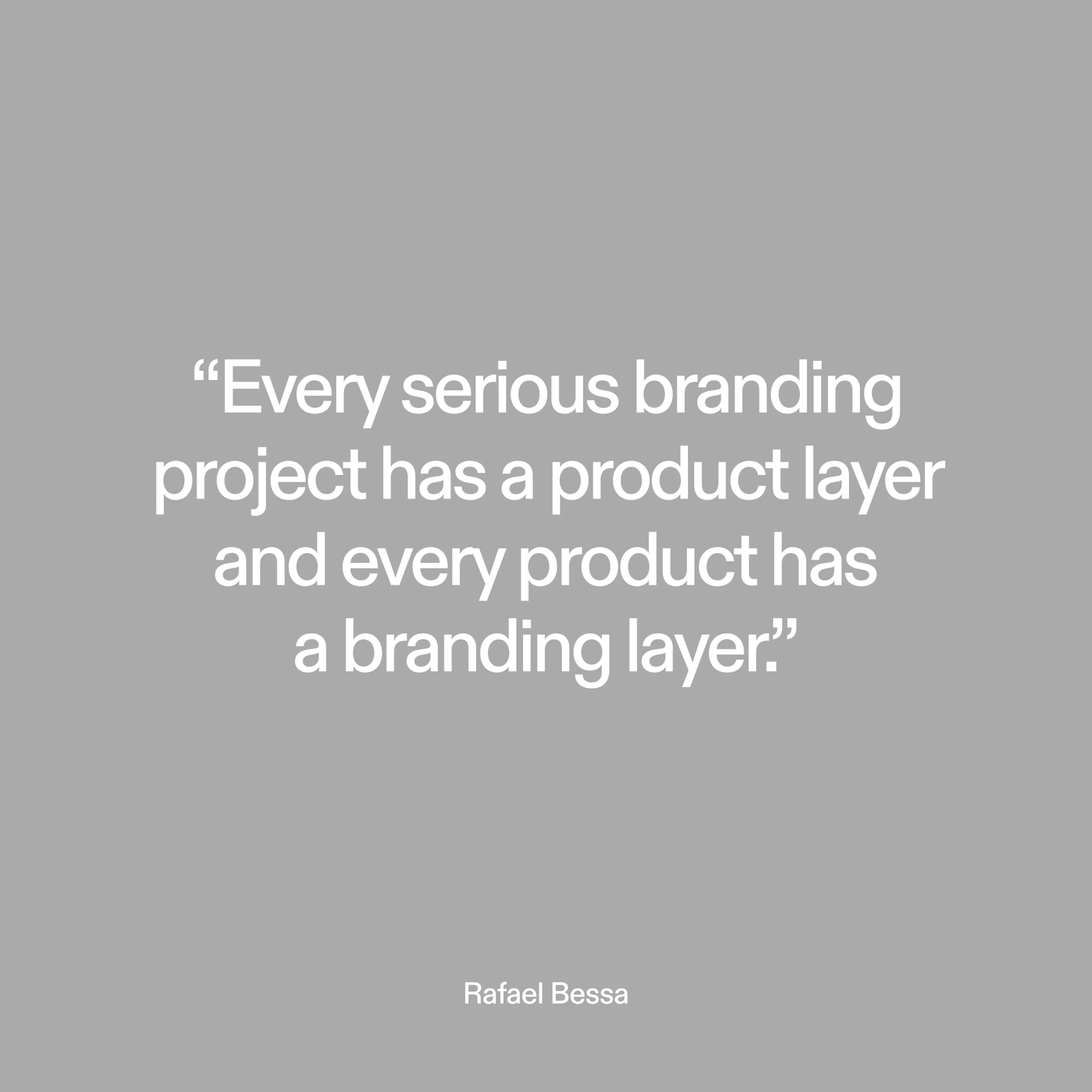
RB: Nowadays they feel more similar than different. The line between them has blurred to the point where I'm not sure it's a distinction anymore. Every serious branding project has a product layer and every product has a branding layer.

My whole career has been that oscillation between the two, and today this separation is a little artificial, more about how studios and agencies organize themselves than about how design actually works. The most interesting work I've seen and tried to do treats brand and product as one continuous conversation.

What trends are you currently observing in product design?

RB: AI-generated interfaces are helping designers execute faster and more ambitiously, but it can also flatten everything into median outcomes.

That’s why I'm also noticing a kind of counter-movement toward material specificity and craft. After years of everything looking like it was designed with the same component libraries, there's a real appetite from clients and from audiences for things that feel particular, considered, even strange. I find that genuinely exciting.

From a market perspective, what have been the main challenges for interface design recently, and how can new designers stand out?

RB: One of the biggest tensions right now is what AI is doing to the relationship between designers and code. It can either bring designers closer to building, or completely alienate them from it, reinforcing the idea that code is a magical black box you just prompt your way through. Understanding how things are built has always made designers better at designing them. If AI becomes a reason to stop caring about that, we lose something important.

For new designers, I'd say: invest in your references outside of design. Read. Look at film, architecture, contemporary art, politics, history. The designers I find most interesting are the ones whose work clearly comes from somewhere, from a sensibility shaped by things that aren't just other interface design.

MR: One of the biggest challenges right now is that the industry is changing extremely fast. New tools, new workflows, AI, automation, economic pressure — all of this creates uncertainty, especially for people entering the field.

Another challenge is that many digital experiences are becoming increasingly standardized. Design systems solved many important problems, but they also created a landscape where products can sometimes feel interchangeable.

So for new designers, standing out is less about trying to master every single tool and more about building a strong perspective and understanding why they design the way they do.

My advice would be:

  • Build repertoire — This is what essentially will help you shape your POV, but try to go outside of just design.
  • Craft — As a way to practice & exercise, not to achieve the idea of good and bad design, but to make your ideas tangible
  • Share — I believe design is a collaborative discipline, so being able to communicate, articulate, share but also learn with other people is extremely important.
  • Try & Fail — Allow yourself to experiment, test, go back & forth and don’t be afraid to fail. Sometimes you need this to evolve your work.

Because in the end, what makes designers truly memorable is not just execution — it’s the way they think and the perspective they bring into the work.