Aprender Design

Apr 14, 2026

Brazilian Creatives We Love: Roma Joana

Aprender Design

Aprender Design

School

How are Brazilian creatives redefining design globally? In this series, we interview Brazilian designers and creatives working in the international market.

Bringing insights, worldviews, challenges and sharing journeys that inspire and connect.


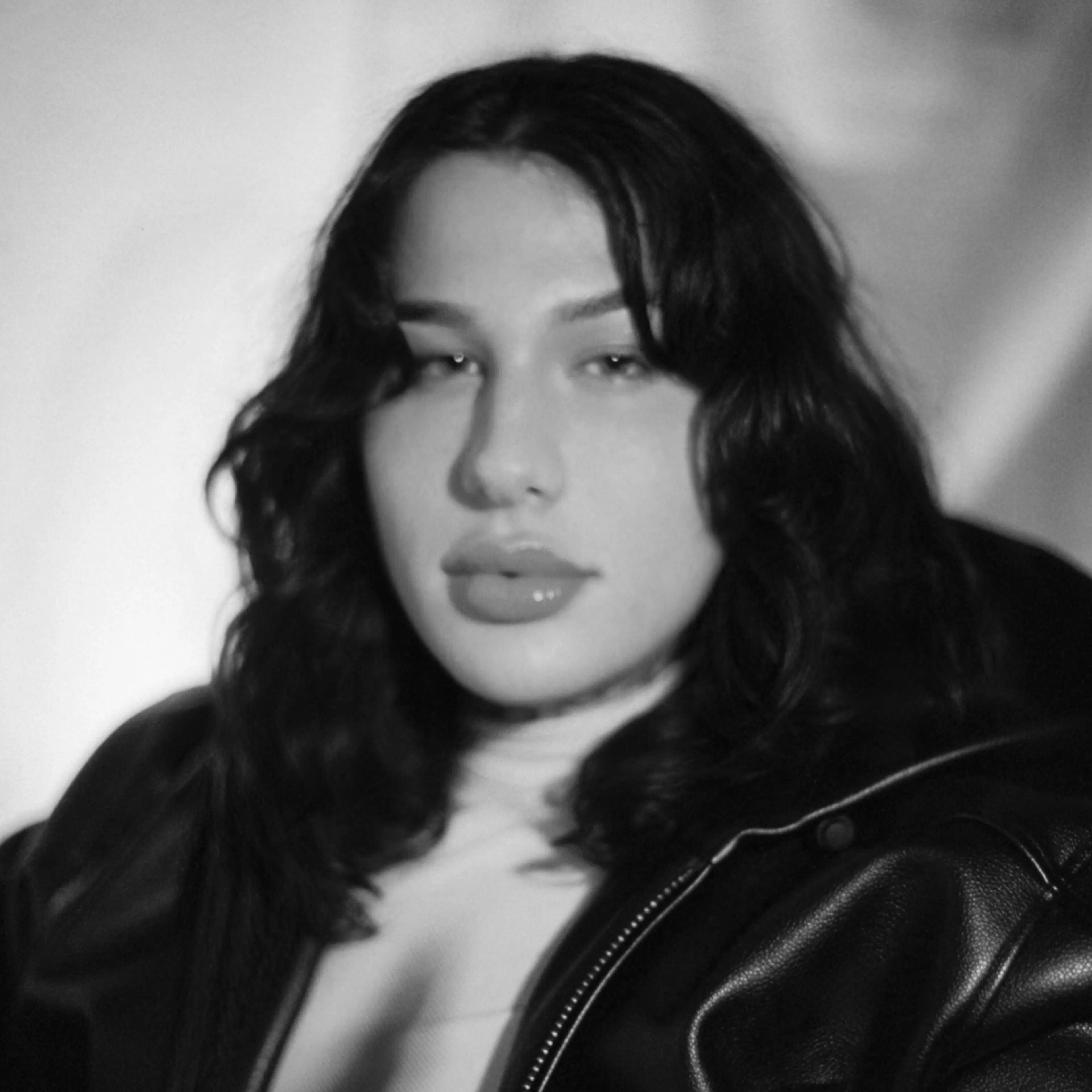
Meet Roma Joana, Creative Director, Art Director and Image Maker.

1) Hey, Roma! How are you doing? Could you tell me a bit about your story? Where you were born, something from your youth that still has an impact on you... 
I’m doing well, thank you :) I was born in Rio – Brazil, and growing up there shaped the way I see images, culture, nature and people. I was always surrounded by strong visual statements — music, street culture, fashion, nature and pop imagery, and I really believe that the real world is the better place for us to get inspiration from.

I've always been passionate about creating worlds and stories, and I feel I can honor my inner child through my work somehow developing this ability to shape the imaginary world in different subjects: design, photo, film, creative direction.. 

2) Could you tell me a bit about your path towards design?

Design came into my life largely through photography, which had been an interest since I was very young. Early on, I became curious about image editing and retouching software, which eventually led me into design. It wasn’t a premeditated decision at all — design emerged more as a possible professional and financial path than a planned career move.

Alongside that, it was very important for me to witness the early days of the internet and social media as fertile ground for art, creative networks, and queer narratives. I was a transgressive ’90s kid, and platforms like Tumblr and Flickr became spaces for visual exploration and exchange with other artists, even before I went to design school. That’s when I started to see design as a possible craft — an actual profession.

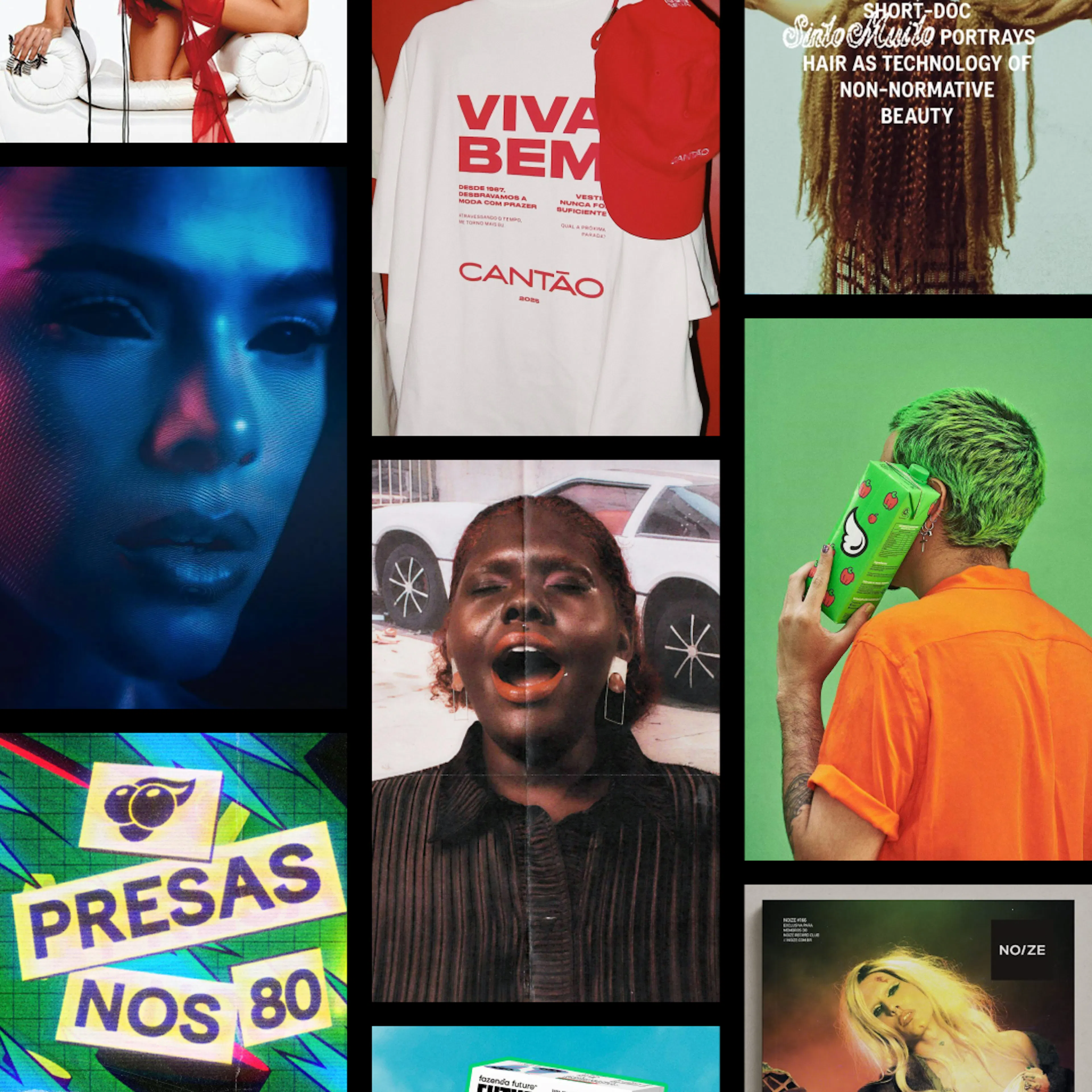
Over the past ten years, I’ve worked at some of the most influential studios and agencies in Brazil’s creative scene, including roles as Design Leader at Soko and Head of Art at AlmapBBDO, as well as collaborating with international studios like &Walsh. I’ve worked with many beloved Brazilian and global brands such as Google, Netflix, Guaraná Antarctica, Havaianas, Natura, and O Boticário.

A little over two years ago, I decided to step away from large agencies to focus more intentionally on FATAL®️, a craft studio I founded with a strong focus on audiovisual and graphic projects. That’s where I concentrate my most visual work, alongside an incredible network of predominantly queer talent. At the same time, I returned to and further professionalized my work as a photographer and scene director. Today, I’m also part of the roster of directors at MYMAMA ENTERTAINMENT, a prominent Brazilian production company working across advertising and cinema. 

Not linear at all — and constantly learning.

3) Could you share a bit about your experiences in design, leading up to the point when you discovered what you truly enjoy in the field?

Honestly? I don't know if that day has arrived yet lol
What fascinates me most about design is its broad scope of subjects and possibilities. In the end, it’s really about project and process — and how you apply that through design can vary a lot.

Lately, it has made more sense for me to see design as a project tool, regardless of format or medium. I’ve been enjoying the idea of diversifying my practice through different, complementary skill sets. Recently, I’ve been very drawn to architecture and product design as well, with a desire to explore areas of design I haven’t worked in as deeply yet. And of course, there’s audiovisual work, which I see as a very collective practice and one that feels closely connected to design too.
I use design methodology for everything, guys, I'm the kind of virgo person who has a keynote deck to furnish my house. A little freaky. I love. 

4) To you, what is design?

In some of my classes, I bring a definition of design that I really love — and that feels especially relevant when we think about queer narratives in design:

Design is the desire of becoming. It’s about bringing into the world something that previously existed only as an idea, on the verge of being born.

From a linguistic perspective, designation is a function through which we refer to people and objects — in other words: to choose, determine, name, show, and characterize.

Maybe it’s a bit romantic. But I think it’s powerful to approach design this way — especially as a way of taking responsibility for actively existing in the world.

5) Who is your biggest inspiration in the field?

For me, the best inspirations always come from outside our literal field of research — outside the literal field of design. I look to the world: behavior, food, music, the street, art in general, architecture. I tend to believe that when we cross different worlds, we’re more likely to arrive at something genuinely new — something that was already on the verge of happening in some way, you know? Starting from inside Pinterest often limits the potential for an idea to really grow.

In my personal work with photography, I’ve also been very interested in crossing visual research around non-human creatures, plants, and other natural elements — all of them holding immense potential for queering, if we pay attention to their differences and the way they coexist with harmony, beauty, and opulence.

Something else that deeply inspires me is following the processes of other creators and artists. It’s genuinely energizing and helps restore a bit of my faith in humanity. Seeing how professionals I admire navigate their processes, methodologies, and ethics. I see my own process today as a digestion of many other processes I’ve experienced and lived through.

6) How did your first international collaboration come about? Was it something you actively pursued or did it happen naturally? 

Nothing is natural. Everything is natural. My personal photography work also revolves around this natural – artificial dichotomy.

Jokes aside, I think it’s a layered process built over time, but also an organic one. Good work tends to “naturally” attract more work — but it also requires active individual movement, for me was especially through the maturation of my own perspective on what I do. I’d even say that maintaining an ethical, solution-oriented, and mediating methodology within the creative process can be a real differentiator for Brazilian creatives operating worldwide.

7) What does it mean to you to bring a Brazilian perspective into international projects? Were there any particular challenges or surprises along the way?

I see Brazil taking on an important role in shaping the international creative industry. We are a cultural powerhouse made up of countless microcosms. I deeply appreciate our ability to play and have fun while also being serious when necessary — with the same emotion and sensitivity. We’ve learned to develop strategies to deal with complex challenges using very limited resources. Even today, I’m still surprised — and often shocked — by the contrast in access we have as Brazilian creators when compared to creatives from other countries. With fewer resources, the work is doubled.

I truly hope that art, culture, cinema, and design become more valued in our vast and multifaceted country. Without losing sight of the fact that, for many of us — especially trans people like myself — the job market can still be fatal.

8) Could you tell us what a typical work day looks like for you?

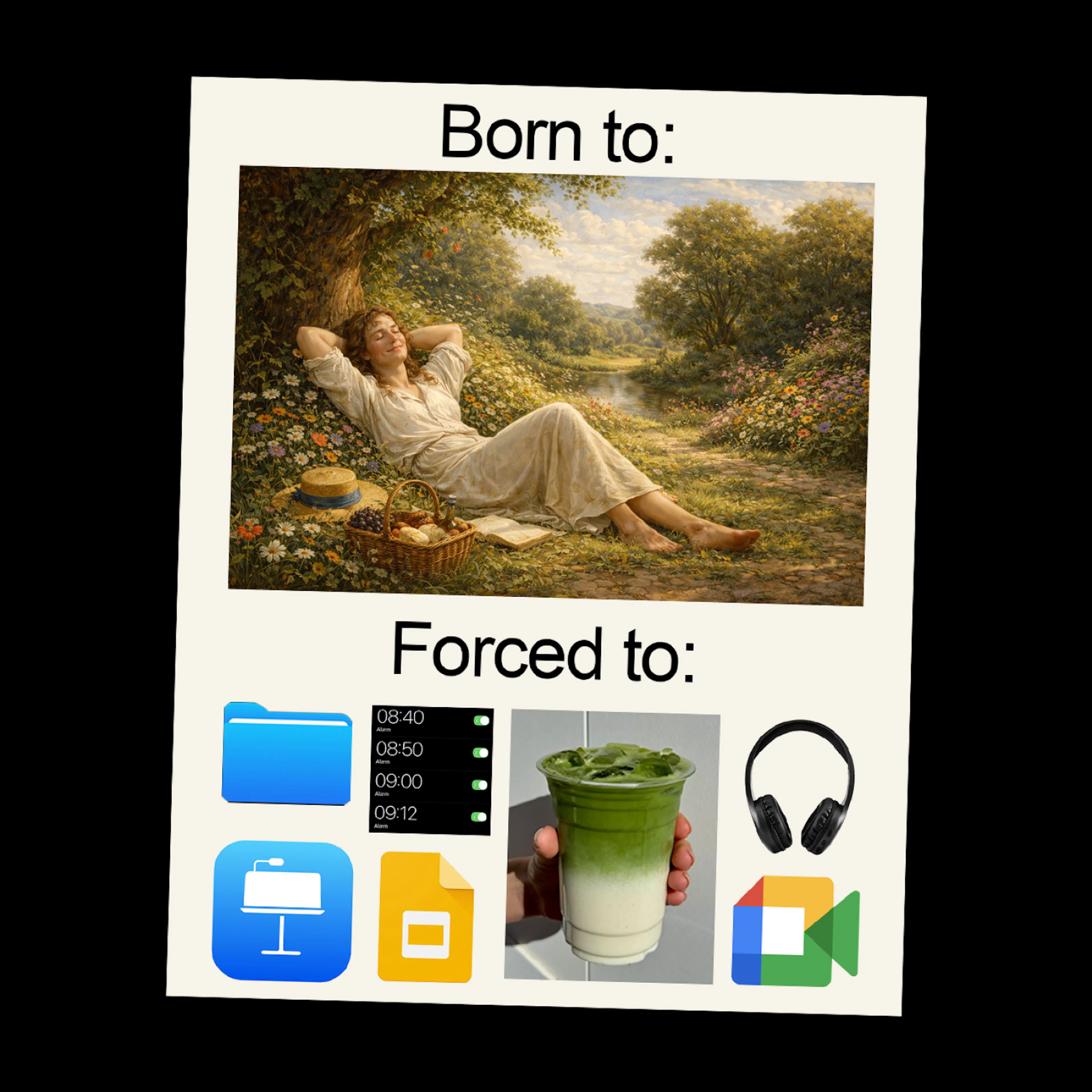
Can I answer with a meme? But in reality, most of the time it's collaborative creative work online, without much glamour, putting together presentations and ideas or creating mood boards, directing the team.

9) Is there any particular project in your portfolio that you really enjoyed working on and would like to talk about?

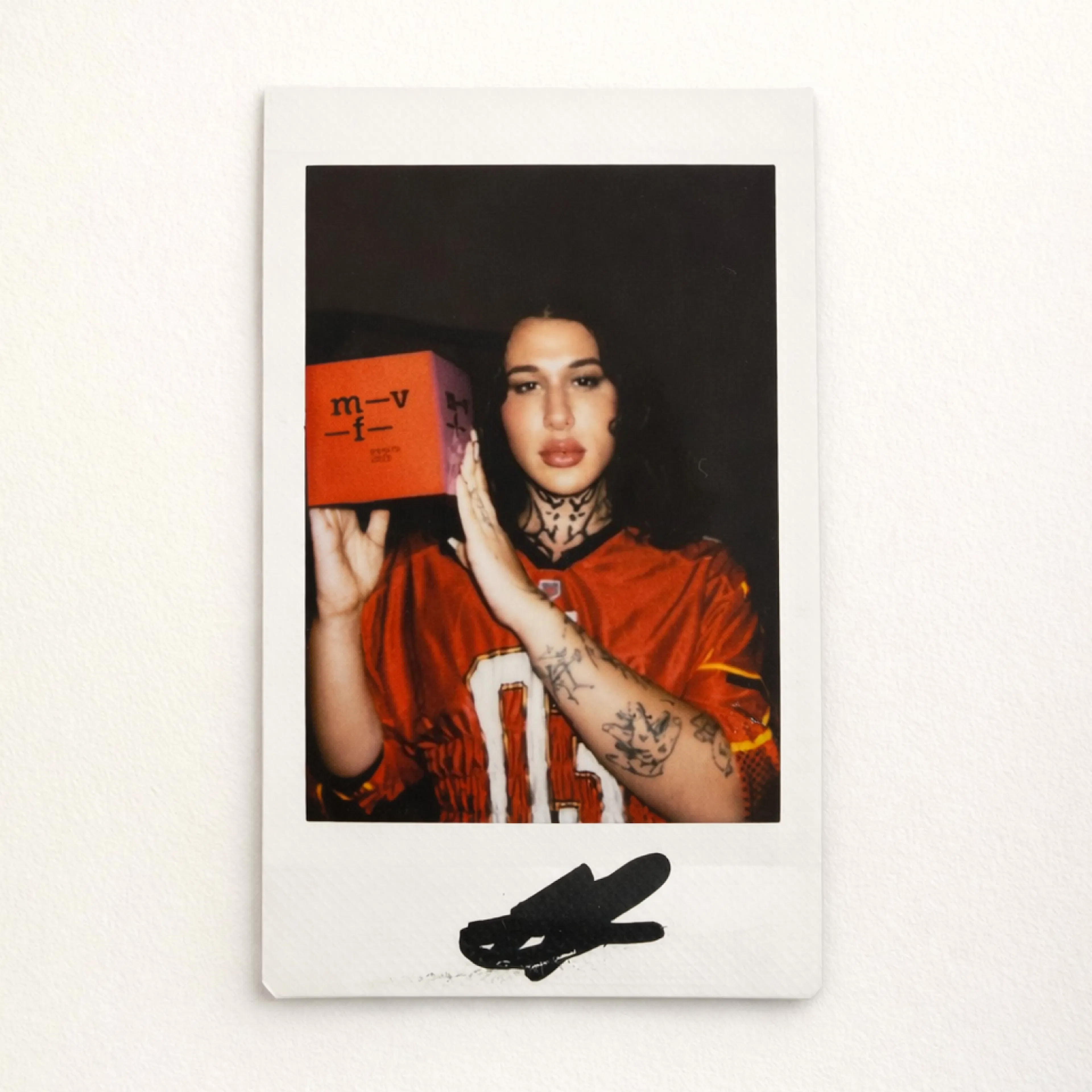
I’d be happy to share a bit of my work in photography and scene direction here. Reconnecting with photography has been really important to me within my professional practice — especially as another way of refining how ideas and stories take shape. Last year, my personal work received two invitations for international exhibitions, in New York and Berlin, and it’s been an incredible process to share this part of my practice in contexts I never imagined it would reach.

10) What would you recommend to someone who is trying to transition into the field?

Never be afraid of transitions. They almost always give us clues about the kind of improvement our lives are asking for — growth that aligns more closely with our worldview. Trust your intuition. Intuition is a creative tool. Talk to people, map out plans B, C, D, E… and embrace mistakes. They’re necessary for growth.