Aprender Design

Jun 25, 2026

A View on Design: with Jun Ioneda

Aprender Design

Aprender Design

School

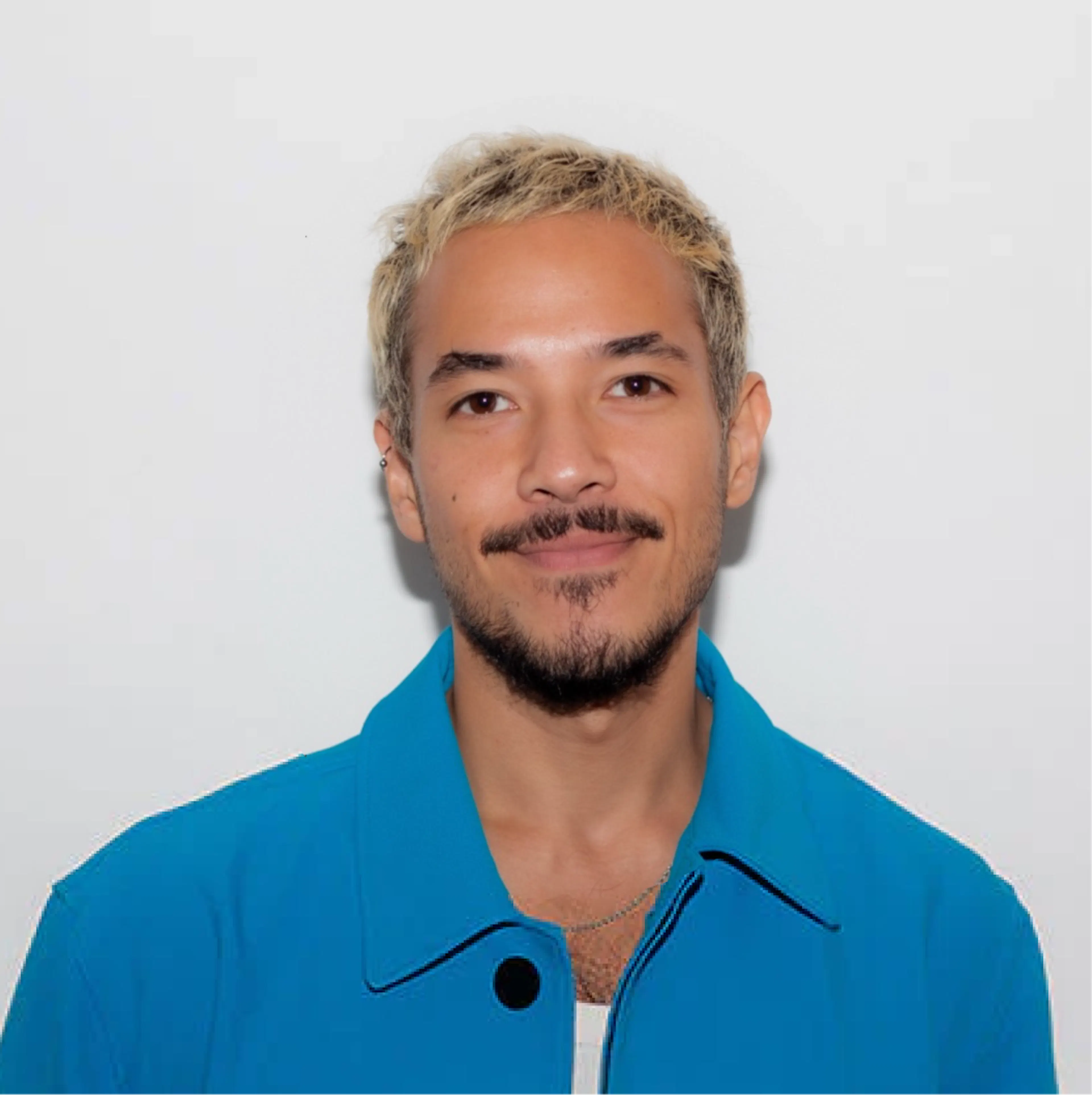
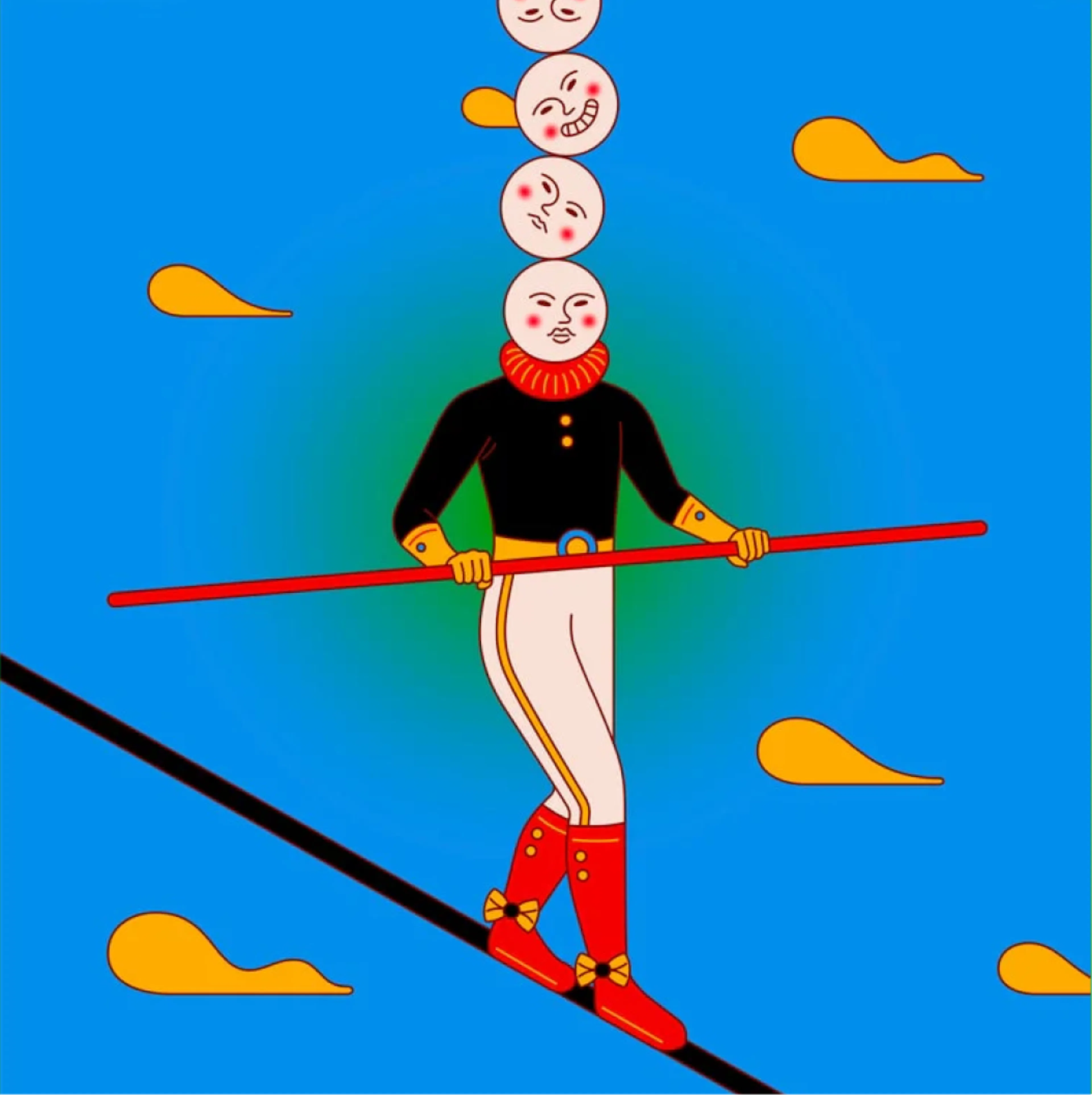
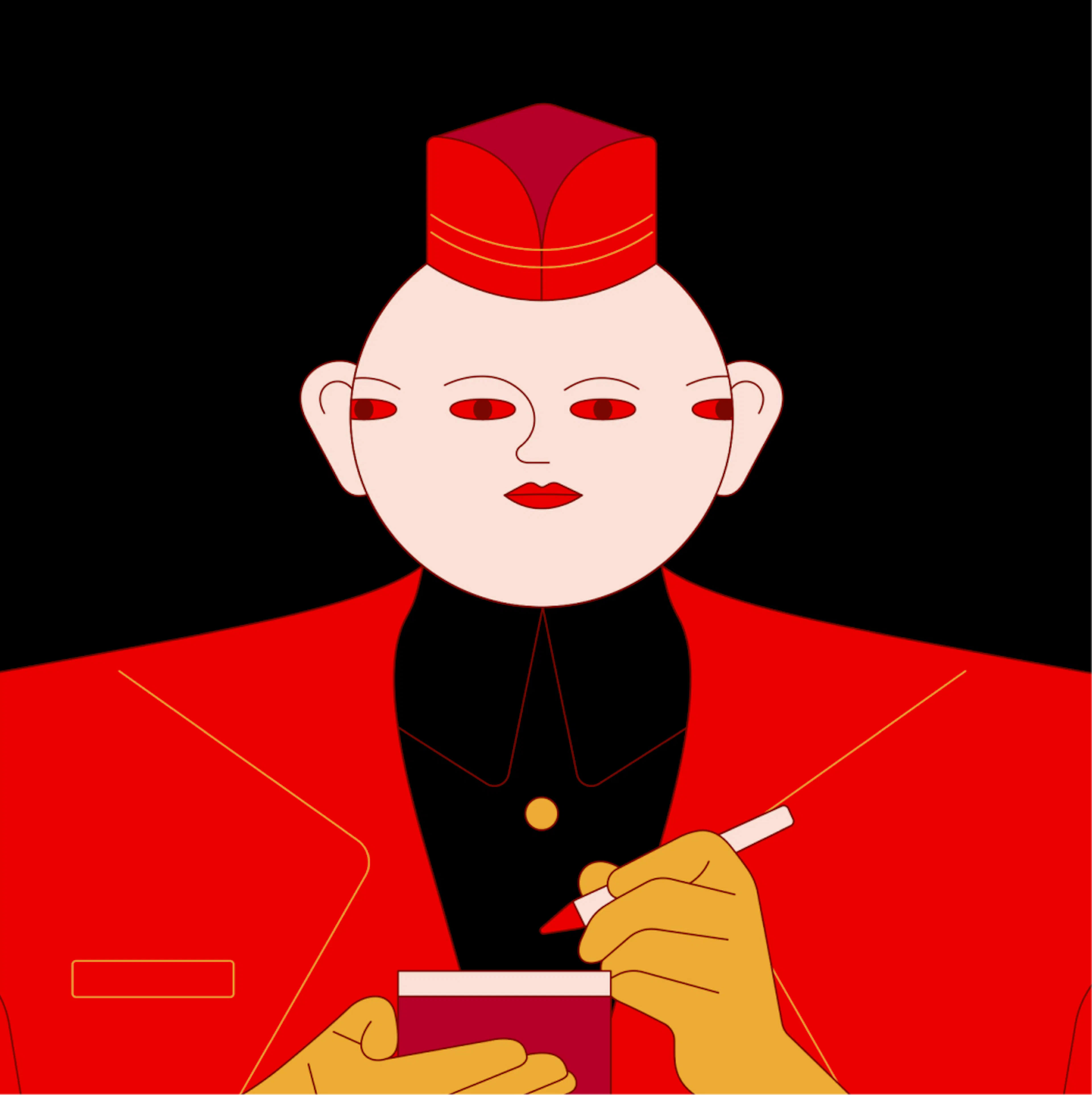
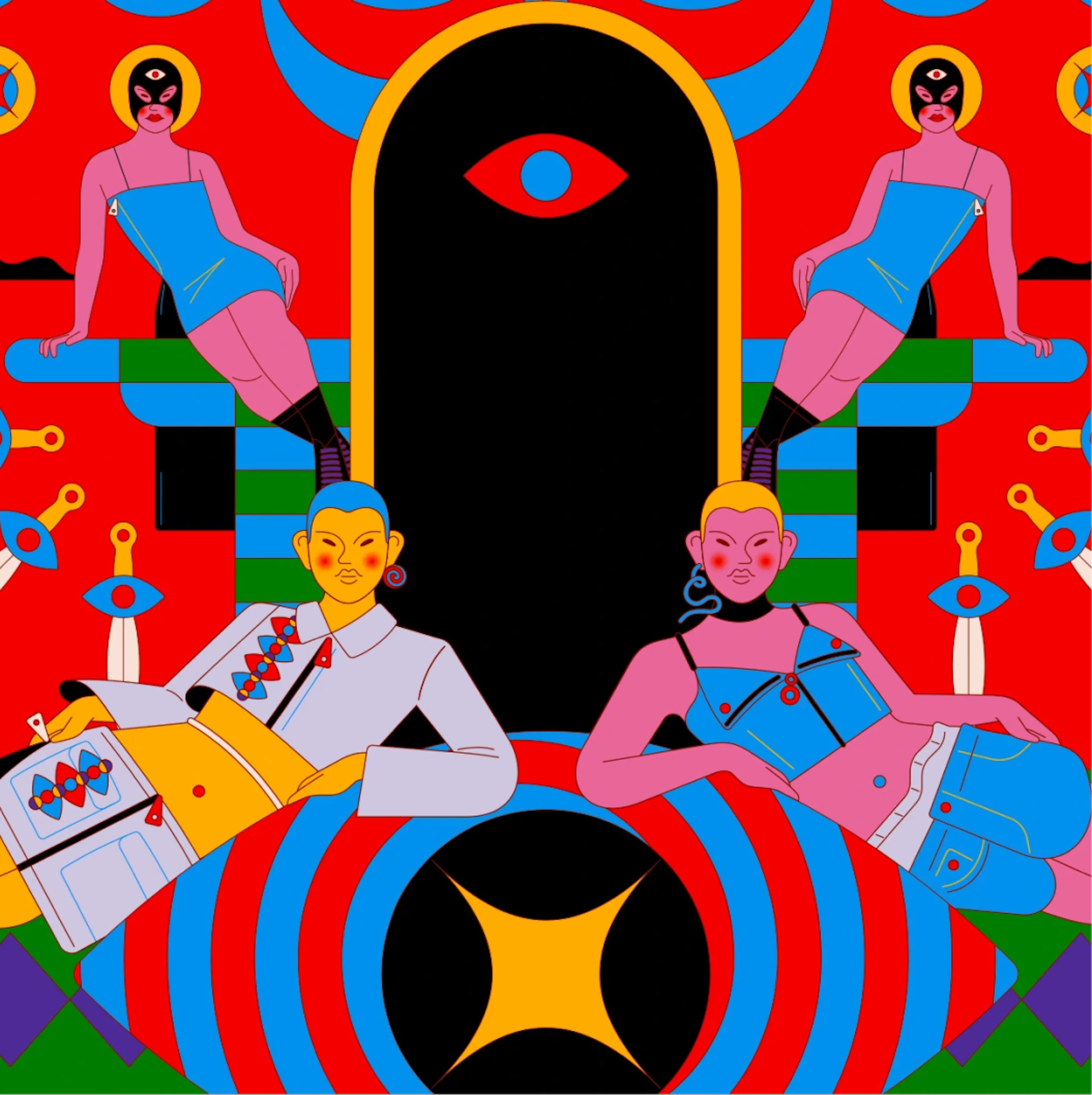
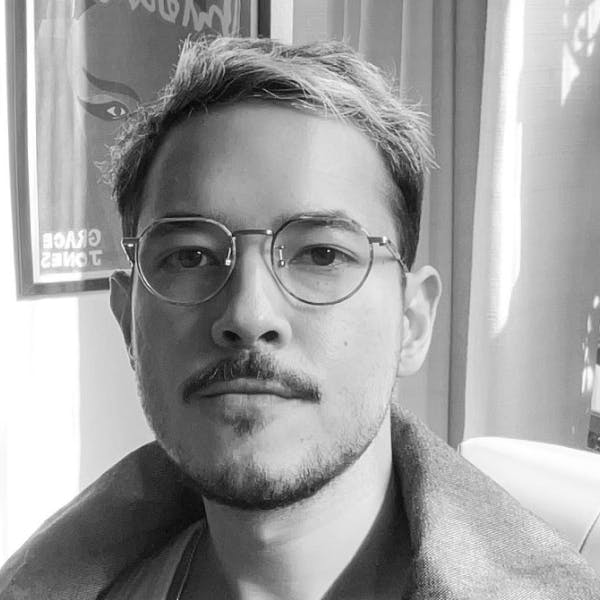
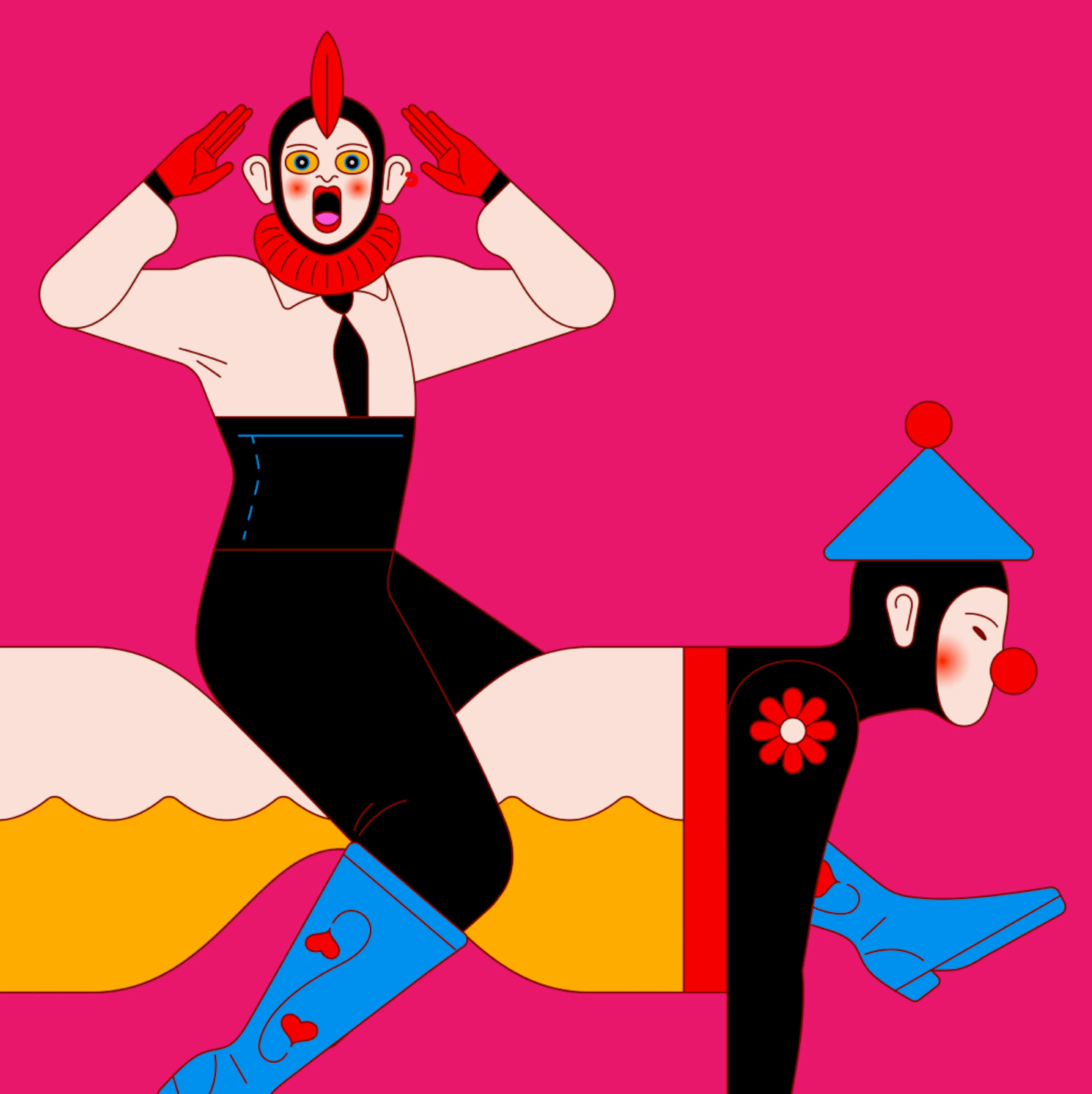
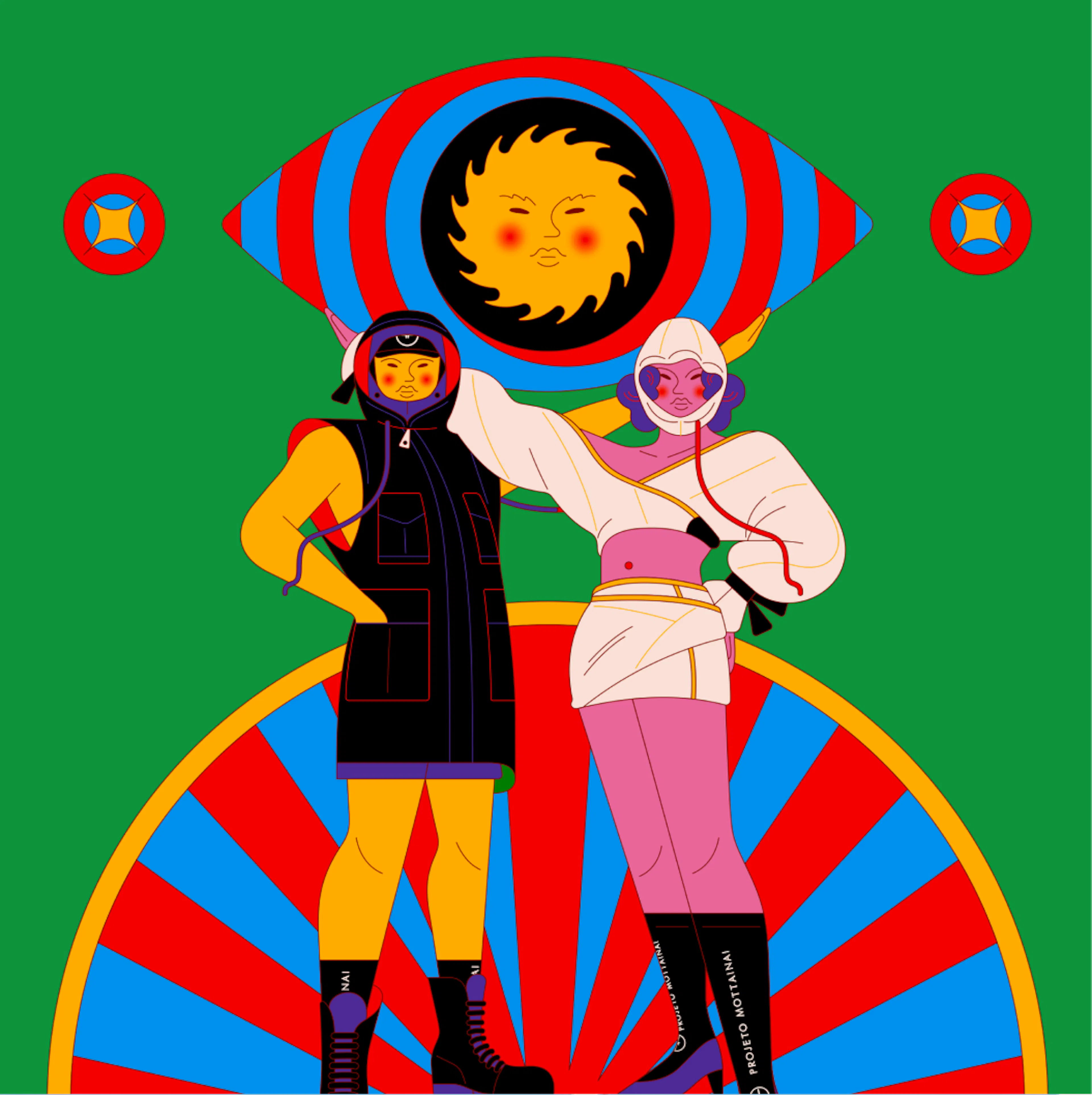
Jun Ioneda is a graphic artist from São Paulo, Brazil. He has been leading illustration projects both as a solo multidisciplinary artist and as the head of his own illustration studio, Barca. His work blends themes such as queer culture, science fiction, fantasy, and Japanese culture, all brought together with a playful, at times melancholic, and often humorous touch.

Check out a brief conversation we had with Jun, instructor at 
Designing and Directing Illustrations course, and learn more about their journey and design thinking.
Hi Jun! For those discovering your work through the school, could you tell us a bit about your journey? How did illustration become your creative language?

Well since I can remember, I’ve always been into drawing and creating. I grew up and chose to graduate in graphic design, part because it sounded more ‘serious’, part because I was extremely curious about how I could use those abilities in more practical ways. Because I kind of left illustration behind at that time, through my career I went from loving it, to hating it, to loving it again – which is now. Learning how to blend the practical side of design and branding with my artistic sensibilities has given me a lot of joy, as well as tools to manage my studio Barca in balance with my solo artist career. Finding my creative language as an artist was not easy, especially after years of doing commissioned work – but all was worth once I started to see myself in my creations.

How do you think the experience of teaching in English will compare to your trajectory at Aprender Design Brasil?

I think culture factors a lot in our creative output, so I’m very excited to see what people from other countries come up with during classes, and all the conversations we will have about aesthetics and experimentation. One of this course’s intentions is to widen the students’ vision of what and how an illustrator can create, and I’m pretty sure that my exchange with them will do the same to me.

Has the Designing and Directing Illustrations changed in any way from the original Brazilian version? Should students expect any differences in the content?

As my career develops, every year I tweak the course a bit to include new things I learn on the way. Along with all the content that helps students deal with clients and develop highly complex projects, this year I’m inserting a deeper dive into developing your own illustration style and finding your artistic voice. That will also be present in the Brazilian version, but of course each version will be adapted to take cultural differences into account.

The course encourages experimentation across techniques and visual languages. In an industry often driven by speed and efficiency, why does experimentation still matter?

I think experimentation brings back something quite precious that we let go as we grow up, which is to play around without the need of production. We’re naturally curious and for many of us, the joy of creation beyond evaluation is what has drawn us to this profession. For me, an effort to seek that joy is essential to keep your soul fed while also borrowing your talents to a commissioned project. On the practical side, spontaneous experimentation is a way for us to get familiar with different tools and techniques, and then be able to mix and use them properly when we’re working on a real project that might need something visually interesting.

What skills do you believe are essential for an illustrator in 2026?

Being able to communicate and negotiate around your creative choices is one of the most important things nowadays. Everyday the market gets faster and demands more, not only from illustrators but also from every creative that is involved in the projects we take part in. Understanding what is important in your creations and style can protect your work from being eaten alive by whatever the market and its agents think will mark bigger numbers in their bosses’ end of the year results.

What has teaching at Aprender Design taught you the most over the past few years?

It taught me how not alone we are in the struggles of being an artist. I like to be very honest and open when talking about the bad parts of finding my artistic voice, and I never imagined how many similar stories I would listen to. It makes me kind of happy, because when I was at the lowest part of that journey it felt like I was completely alone and had no one to guide me. Now I see no one is really that alone, and I’m glad we created this space for students to face those struggles and forge their own paths while exchanging experiences.

Your work spans both creating illustrations and directing them. What changes when you shift from the role of illustrator to that of creative director?

When I’m a creative director, the biggest part of my work is communication. I always make sure I’m giving objective feedback in relation to whatever our briefing asks, or about whatever direction we’re going creatively. I also have to shift my thoughts from “what would I do“ to “how could this be better in what it's trying to achieve”, and that is pretty hard! Everyone does things differently and to honor that is a challenge in itself for someone that has its own vision of the project and also illustrates. When I’m the illustrator, choices come more naturally and the process is a bit more chaotic, which I try to keep as fluid without being directionless.

How does your process change when you're working for a brand versus on a personal project?

A brand has its own needs and purpose. When I’m creating for one, I’m borrowing my creative world to be used along with whatever they have to say. It’s a creative work, but also a transaction – and because of that I always try to think of a way to make it a bit different, and how I can incorporate my vision of their universe in a way that honors us both. When creating something for me it’s always a bit more fun, but also a bit more intense. My personal projects mean way more to me and they have the pressure of representing my inner feelings to the very wild outside world, something that by its own nature is impossible to be done completely. Scary and painful! But also the biggest satisfaction I can have.

What trends are you currently observing in illustration?

For me the biggest trend has been aesthetic diversity. In a way we’ve passed the times of needing to follow a specific style to have mainstream attention. Of course some trendy styles might earn more chances, but only for a period of time. With so much to see at the same time, everyone kind of wants to be different and I love that. I've seen a very big range of styles get high profile commissioned work in the past few years, which makes me happy and hopeful for our profession.

Your work draws from a wide range of cultural influences, from science fiction to Japanese visual culture. What references have been shaping your thinking lately?

Since I started to create in my style with mixed media, I’ve been looking at photography way more than I did in the past. Tangent to that, the visual work of theater director Robert Wilson has been a big inspiration for my recent creations, along with Japanese horror. I’ve also been into patent diagrams and technical schematics.